Nicola Ampibian Monitoring Project – First Progress Report

In the spring of 2011, the Nicola Naturalist Society in partnership with Biolinx Environmental Research Ltd. of Victoria, began an ambitious project to map and monitor breeding amphibians (frogs and salamanders) in the Merritt region. The Biolinx team, led by Dr. Kristiina Ovaska, has released the first progress report on this project.

To download a copy of the report click here (1.5 Mb): Nicola amphibian monitoring report, Dec 2011

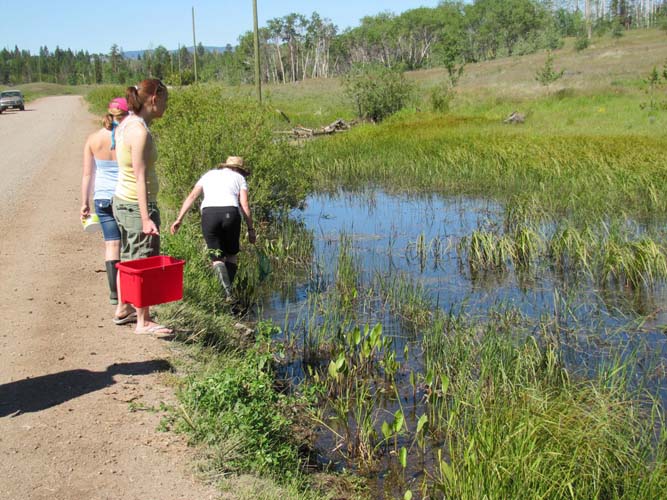
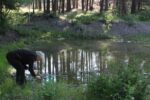
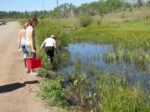
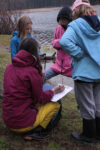
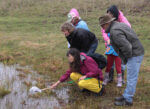
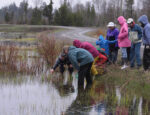
Nicola Naturalist Society volunteers frogging at Harrison Lake. Photo: Kristiina Ovaska.

Highlights of the report:

  • Nicola Naturalist volunteers contributed 253 volunteer hours;
  • 54 wetlands were surveyed;
  • 109 frog call listening stations along six routes were sampled;
  • amphibians were mapped in 10×10 km grids – 30 grids were sampled in 2011.

These surveys detected all five amphibian species known from the region:

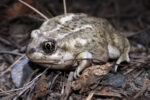
  • Great Basin Spadefoot (nationally “Threatened”) was found in 27% of  grids surveyed;
  • Western Toad (nationally “Special Concern”) in 37%;
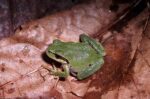
  • Columbia Spotted Frog in 43%;
  • Pacific Chorus Frog in 67%; and
  • Long-toed Salamander in 17%.

Seven major and two minor-breeding sites of the Western Toad were identified. These sites are exceedingly important to protect as they can attract hundreds or thousands of toads over a wide area.

The Spadefoot and Pacific Chorus Frog were readily detected during night-time frog call surveys. This looks like a promising method to track population trends in future years.

The data collected contribute to the provincial database through the B.C. FrogWatch.

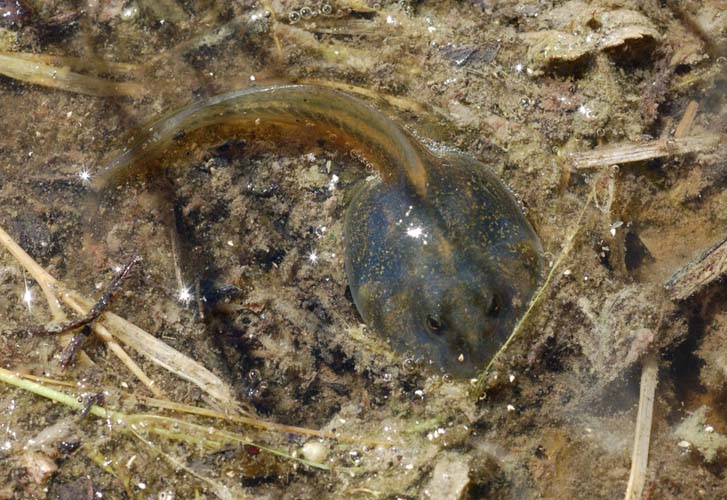
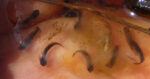
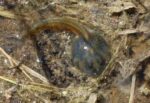
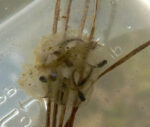
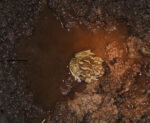
A Great Basin Spadefoot tadpole, upper Nicola Valley. Photo: Kristiina Ovaska

An important part of the project is liaison with local landowners. Biolinx prepared site-specific habitat management guidelines for three large landowners with amphibian habitat on their lands, including breeding sites for the Western Toad and Spadefoot. Contacts were established with the Nicola Tribal Association and are expected to lead to collaboration with local First Nations.

Funding for the project was provided by the BC Habitat Conservation Trust Foundation and the BC Public Conservation Assistance Fund.

The project will continue in 2012.

Posted in Features, Projects, Uncategorized | Leave a comment

Winter bird identification workshop – Saturday 10 December 2011, 12-2 PM

Our second winter bird identification workshop will be held on Saturday 10 December, 1 PM to 3 PM in Room L017 at NVIT (note change in time and venue).  Come and tune up your bird identification skills before the Christmas Bird Count season gets underway. Catering to beginners and those of moderate identification skills we will focus on species likely to occur around Merritt in the wintertime.

A classroom session will be followed by a visit to a local birding hotspot. Bring your binoculars and field guides.

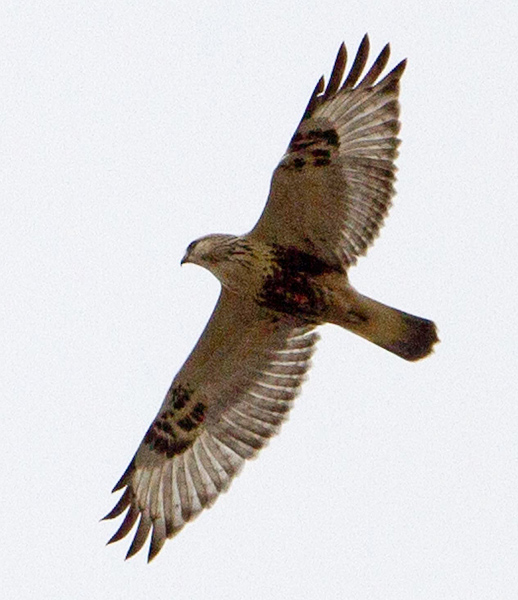
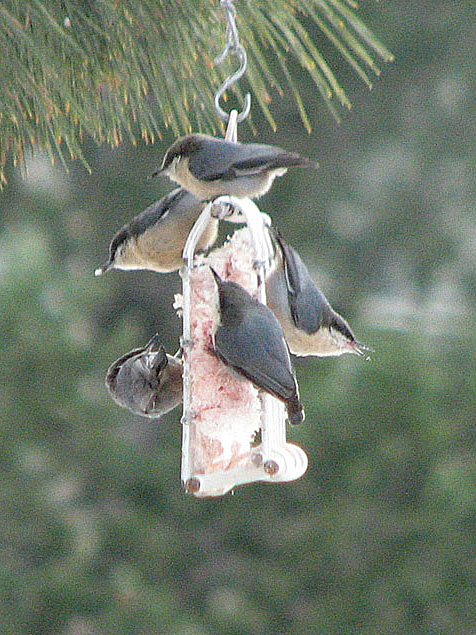
Can you identify these bird species? One is a local year-round resident and the other a migrant that visits during the winter.    Scroll way down to see the answers………

Mystery bird #1 (Photo: Thor Veen)

Mystery bird species #2 (Photo: Anne Pang)

.

.

.

.

.

.

.

.

.

.

.

.

.

Answers (both species are commonly found around Merritt in the winter)

Mystery species #1 is a pale morph Rough-legged Hawk (winter migrant from the Arctic)

Mystery species #2 is Pygmy Nuthatch (a local resident)


Posted in Past meetings | Leave a comment

Across the top of Russia: wildlife adventures on the Northeast Passage – 17 November 2011, 7 PM at NVIT

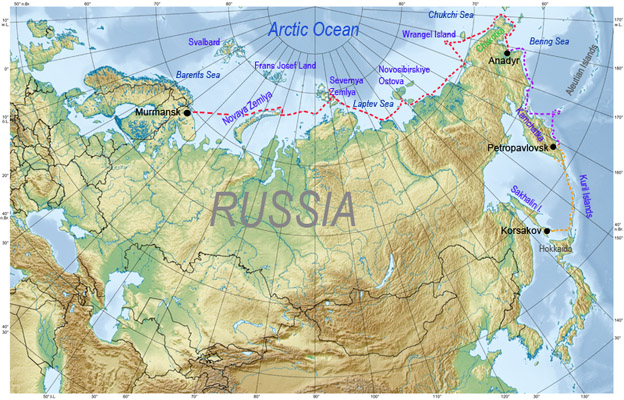
Nicola Naturalist Society president Dr. Alan Burger regularly works as a naturalist-lecturer with Aurora Expeditions on ships in the Arctic and Antarctic. A resident of the Merritt area, Alan is also an Adjunct professor in Biology at the University of Victoria and does research on seabirds and marine biology. In 2011 he was on one of the first tourist ships to transit the Northeast Passage – traveling from Murmansk to Anadyr and then on to Sakhalin. Join Alan for a unique insight into the wildlife and scenery of this remote part of the arctic and Russian Far East. This photo odyssey covers arctic specialties like Polar Bears and Walrus plus some seldom-photographed animals like Wrangel Island wolverines, Sabine’s Gulls and Ribbon Seals.

Voyage tracks of the M.V. Akademik Shokalskiy across the Northeast Passage and in the Russian Far East in 2011

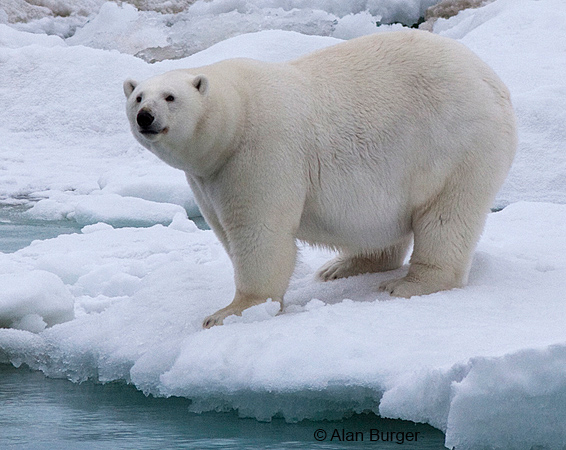
A very fat polar bear prepares for the winter denning when she will give birth and suckle her cubs. Photo: © Alan Burger

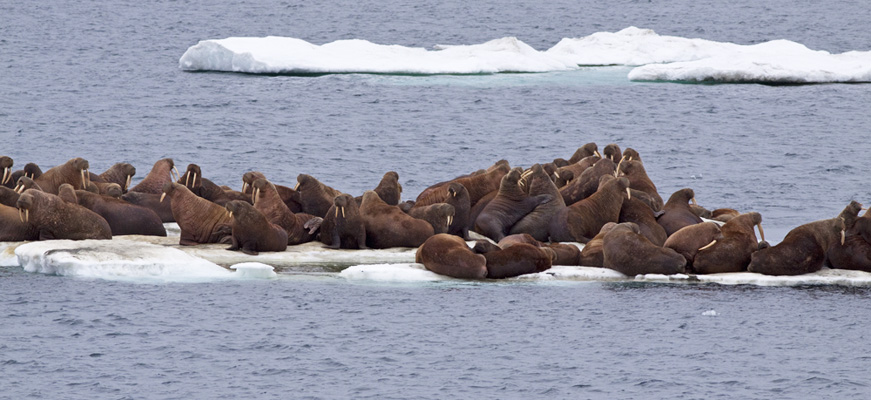
Walruses on pack-ice near Wrangel island, Russia. Photo: © Alan Burger

Posted in Past meetings, Uncategorized | Leave a comment

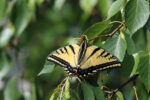
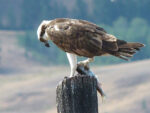
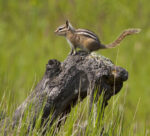
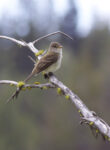
Wildlife photos from the Merritt area – Summer 2011

Another set of photos from members of the Nicola Naturalist Society, Merritt, BC.

Click on the thumbnails to see full-size images. Then click the links below the photo to move to the next enlarged photo. To return to the thumbnail page click the link above an enlarged photo.

Enjoy!

Posted in Photos, Uncategorized | Leave a comment

More photos from 2011 amphibian monitoring

Here are more photos from the amphibian monitoring project run by the Nicola Naturalist Society and Biolinx Environmental Research Ltd. in the Merritt area.

Click on the thumbnails to see full-size images. Then click the links below the photo to move to the next enlarged photo. To return to the thumbnail page click the link above an enlarged photo.

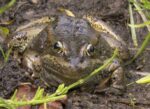
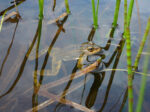
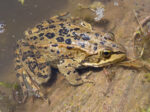
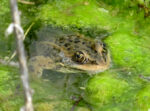
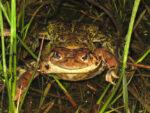
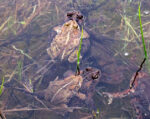
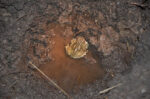
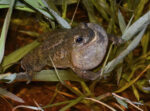
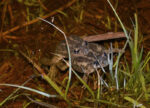
Practice your frog identification skills.

Posted in Photos, Projects | Leave a comment

Frog monitoring adventures – Summer 2011

This has been an active and rewarding summer for the amphibian monitoring project being run jointly by the Nicola Naturalist Society and Biolinx Environmental Research Ltd. After our initial training workshop and field training sessions, about 20 NNS volunteers signed up to contribute to the monitoring of breeding frogs in the greater Nicola Valley area.
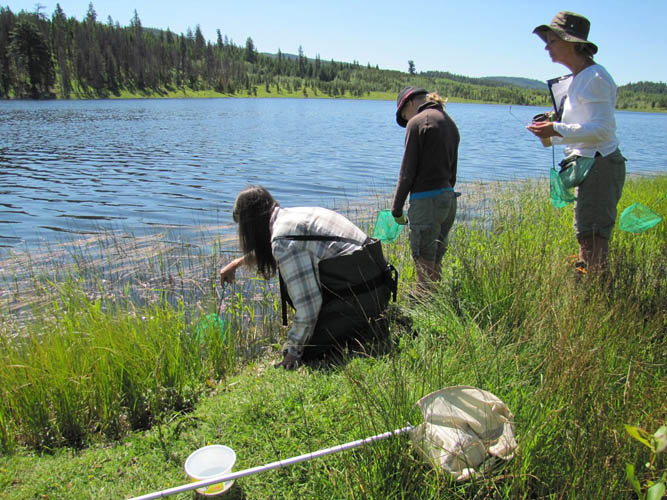
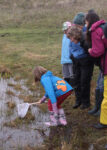
Kristiina Ovaska and NNS volunteers checking tadpoles at Harrison Lake

June monitoring

The Biolinx team (Kristiina Ovaska, Lennart Sopuck and Christian Engelstoft) visited on 3-6 June and NNS vounteers joined them to check  numerous wetlands and lakes for amphibians. Clear skies and gorgeous weather prevailed, making the surveys very pleasant. Paul McLellan from ShawTV joined the group to prepare a short documentary on the project to be shown on Shaw channel 10.

Shaw TV filming Spadefoot tadpoles - Nicola Valley. Photo: Kristiina Ovaska

Over the weekend, we found several mass breeding sites of Western Toads, mostly due to tips from NNS members  – the water in the shallows was virtually “boiling” with the wriggling of the small, black tadpoles at these sites. We also saw several Columbia Spotted Frogs basking in the weeds at new sites, Long-toed Salamanders on the verge of emerging from eggs, and Spadefoot tadpoles with their distinct close-set eyes and metallic sheen in grassland pools. Check out new photos on the NNS website
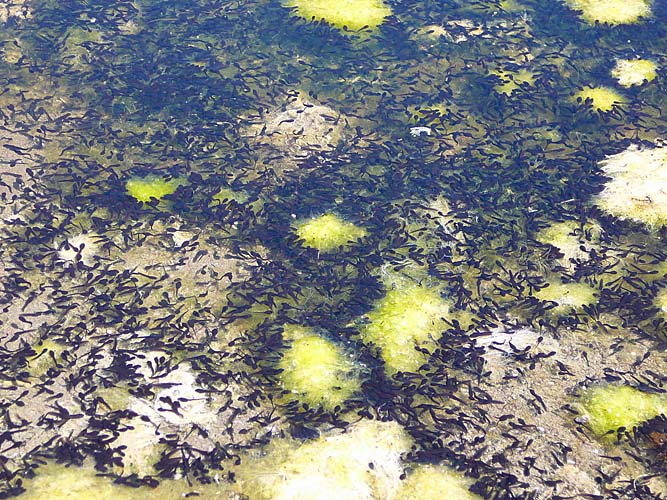
Western Toad tadpoles by the hundred! Photo: Christian Engelstoft

On night drives we heard the Pacific Chorus Frogs and Spadefoots still calling, indicating that egg-laying might still be ongoing in early June, but the breeding season nearing its end.

A male Great Basin Spadefoot calling - Douglas Plateau grasslands. Photo: Lennart Sopuck

July monitoring

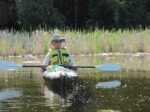
The Biolinx team returned on 4-7 July for another action-packed 3 days of frogging with our keen NNS volunteers.  We set 28 “minnow traps” in the shoreline reeds in some of the Kane Valley Lakes and checked them in the day using both kayaks and hip waders. It’s all “catch and release” – we just wanted to examine the development stages of the tadpoles and see what species are present.
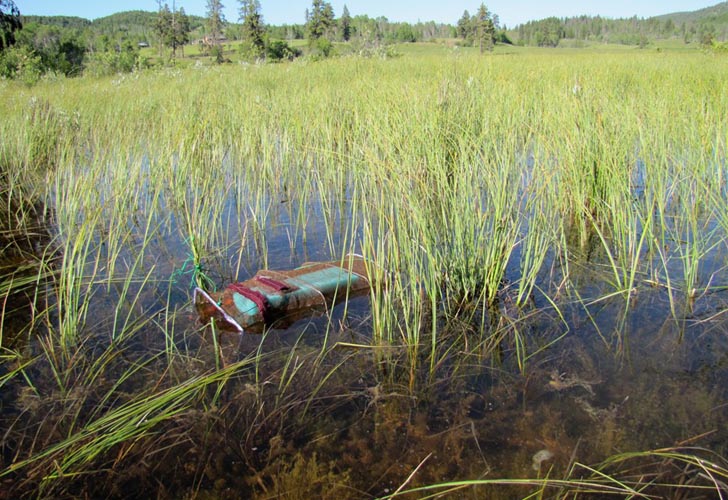
A minnow trap set in the shallows to sample tadpoles. Photo: Kristiina Ovaska

We caught all 3 types of expected tadpoles: Pacific Chorus Frogs (tree frogs) – small brown tadpoles; Columbia Spotted Frogs – the largest tadpoles, some with front feet developing; and the Western Toad tadpoles – small black ones in dense clusters and “flowing rivers” of hundreds of swimming tadpoles. In places they were in feeding frenzies on floating algae.

A swarm of Western Toad tadpoles eating algae. Photo: Kristiina Ovaska

Christian and Lennart got some amazing videos of a Western Garter Snake in the middle of a cluster of toad tadpoles, attacking and eating its fill of these tadpoles. Click on the start button below to run the video within this page OR click here to open the Garter Snake attacking tadpoles video in a separate page.

Speaking of snakes, we also found three garter snakes that had swum into our minnow traps, both Common (green stripes) and Western (brown with black spots) Garter Snakes. The traps also captured water beetles, leeches, snails and dragon fly larvae. Only one trap caught quite a few minnows and some traps were empty. In two places we found Columbia Spotted frogs sunning themselves on top of our floating traps!
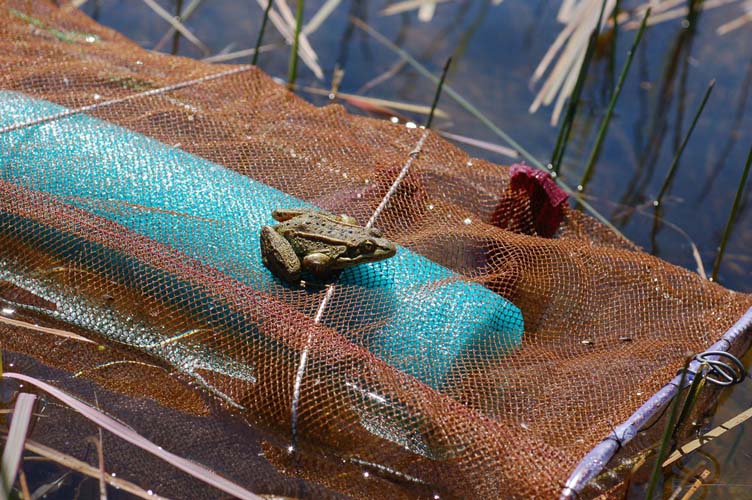
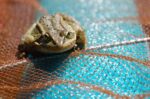
Columbia Spotted Frog sitting on a minnow trap. Photo: Kristiina Ovaska.

We follow a strict protocol of cleaning and sterilizing all our traps and nets, once we have released all the captives, to prevent the chance of spreading diseases from one water body to another.

Individual volunteers continue to do reconnaissance trips to look for frogs, tadpoles and salamanders at local ponds and lakes, and check the progress of developing tadpoles. We are particularly keen to know when and where the Western Toad toadlets emerge from lakes in the Merritt area – usually by the hundreds or thousands. Please report any sightings of tadpoles and emerging toadlets to our Amphibian Project e-mail: nicola.amphibians@gmail.com.

Click here to see more photos of the amphibian monitoring.

Below are two more videos made by the Biolinx biologists from the work in the Merritt area.

Great Basin Spadefoot tadpoles feeding in a shallow grassland marsh – these large spadefoot tadpoles are in water with low oxygen content so they need to come to the surface to gulp some air in between feeding.

Western Toads breeding:
Posted in Features, Projects | Comments Off on Frog monitoring adventures – Summer 2011

Birding outing held on 11 June 2011

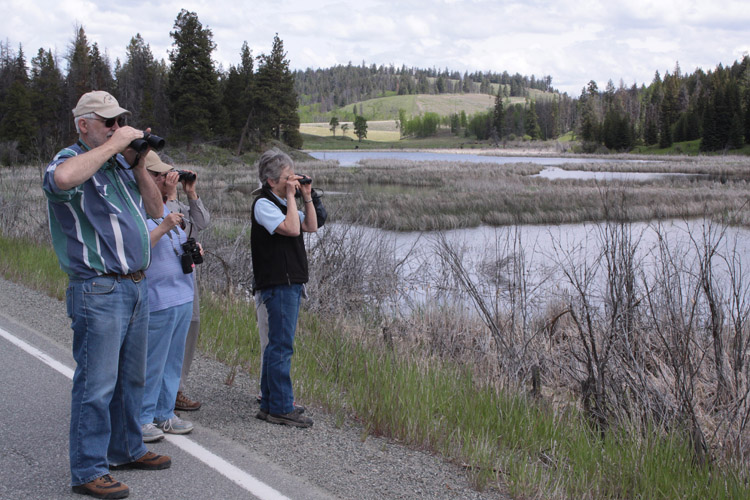
A group of Nicola Naturalist Society members enjoyed a birding outing in the Merritt, Hamilton Hill and Aspen Grove areas on 11 June.

NNS members birding at Aspen Grove - June 2011

The goal was to improve bird identification skills by ear and by sight, rather than rack up a big day-list of birds. A total of 62 species was recorded giving both beginner and intermediate birders lots to absorb and remember. Highlights were several singing Clay-coloured Sparrows on Hamilton Hill, a pair of Golden Eagles circling over the Lundbom Commons grasslands, lovely views of Ruddy Duck at the Grasslands Interpretation pond, several ducks and Canada Geese with young broods and great views of a singing male Common Yellowthroat.

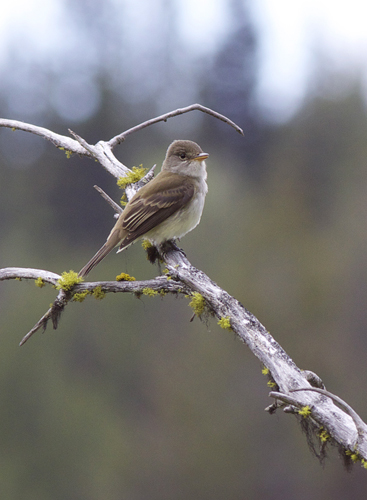
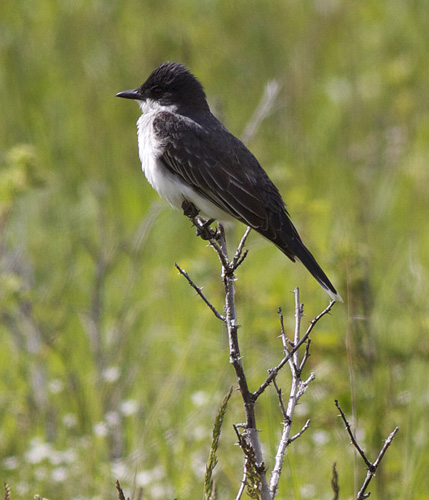
The day was perfect for getting to grips with the various flycatchers – a difficult group to identify. Several Western Wood-Pewees and numerous Dusky Flycatchers were heard calling and we had nice views of a singing Least Flycatcher (a relatively uncommon species in our area) at the Grasslands Interpetation site. Willow Flycatchers were loud and conspicuous around most of the lakes and a pair of Eastern Kingbirds entertained us with their aerobatics at one of the Aspen Grove lakes.

Willow Flycatcher (Photo: Alan Burger)
Eastern Kingbird (Photo: Alan Burger)

Click here to see the complete list of what we saw. Bird list 11 June 2011

Posted in Features, Past meetings | Leave a comment

Froggy photos – from the May NNS workshop and beyond

Here are some photos of the recent Nicola Naturalist Society amphibian workshop and some local Merritt/Nicola amphibians. Click on the thumbnails to see full-size images. Then click the links below the photo to move to the next enlarged photo. To return to the thumbnail page click the link above an enlarged photo.
These will be useful for practicing your identification skills.

Posted in Photos, Projects | Leave a comment

NNS Amphibian Workshop a big success, 14-16 May 2011

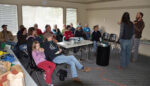
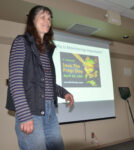
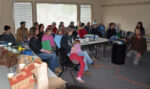
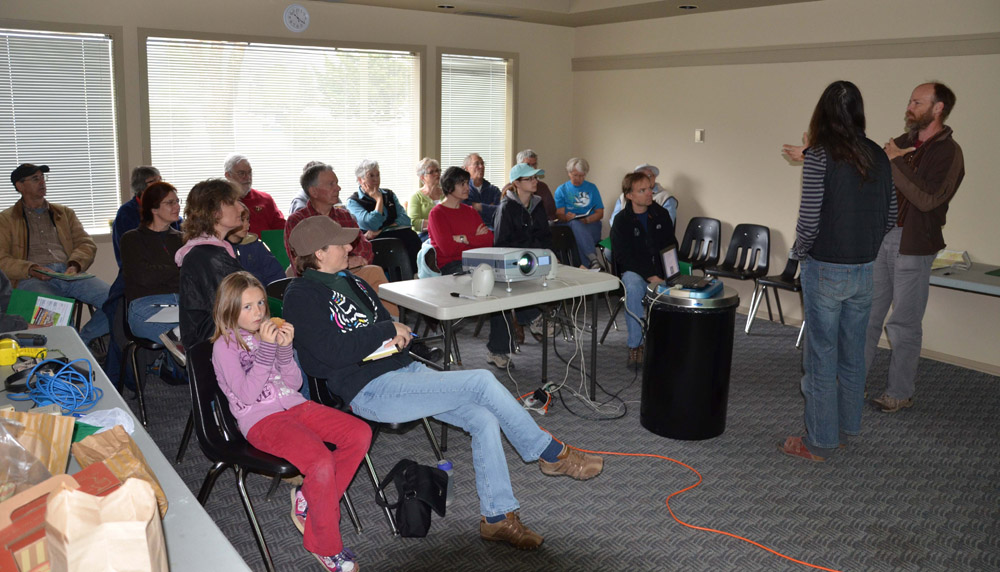
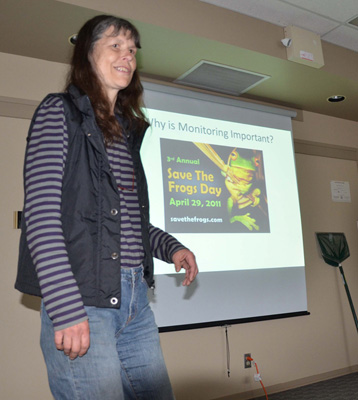
The Nicola Naturalist Society held its first amphibian monitoring workshop on Saturday 14 May 2011 at the Merritt Civic Centre. A team of biologists from Biolinx Environmental Research Ltd. in Victoria (Dr. Kristiina Ovaska, Lennart Sopuck and Christian Engelstoft) gave a  presentation and training session with 26 adults and children attending. The rationale for long-term monitoring was explained, monitoring methods were outlined and Merritt naturalists learned to identify the species in our area – Western Toads, Spadefoots, Columbia Spotted Frogs and Pacific Chorus (or Tree) Frogs, as well as the Long-toed Salamander.

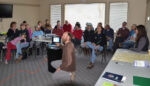
Kristiina Ovaska (back to camera) and Christian Engelstoft explain monitoring methods to participants at the amphibian workshop - 14 May. Photo: Lennart Sopuck

Kristiina Ovaska at the amphibian workshop - 14 May. Photo: Lennart Sopuck

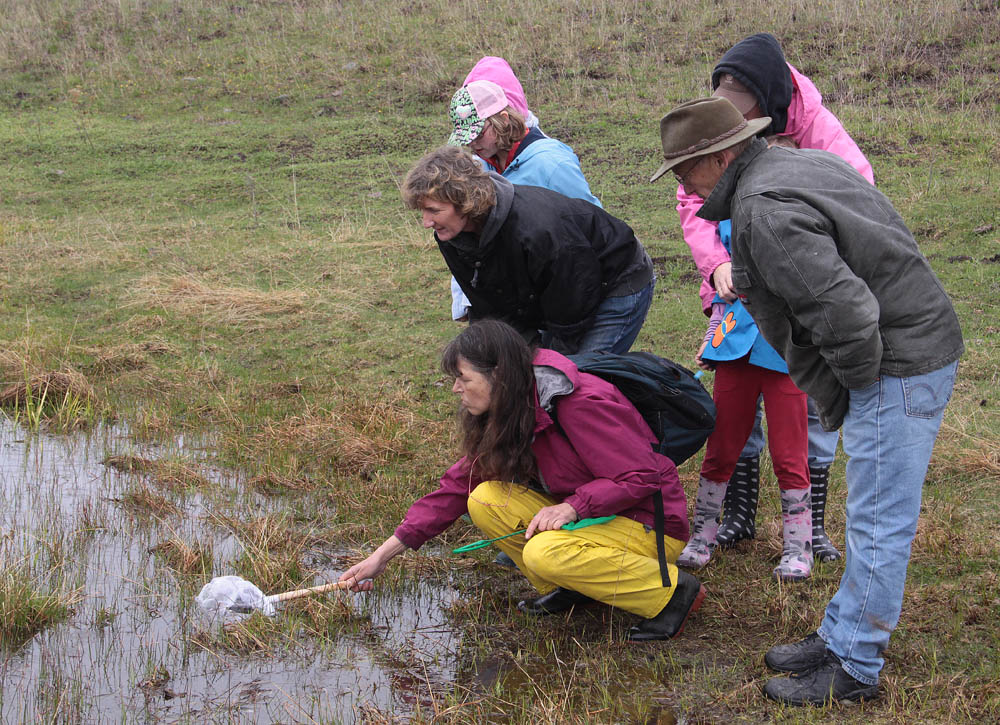
In the afternoon we put theory into practice and headed up to the Kane Valley lakes to look for frogs.

Looking for frogs in one of the Kane Valley lakes - 14 May. Photo: Alan Burger

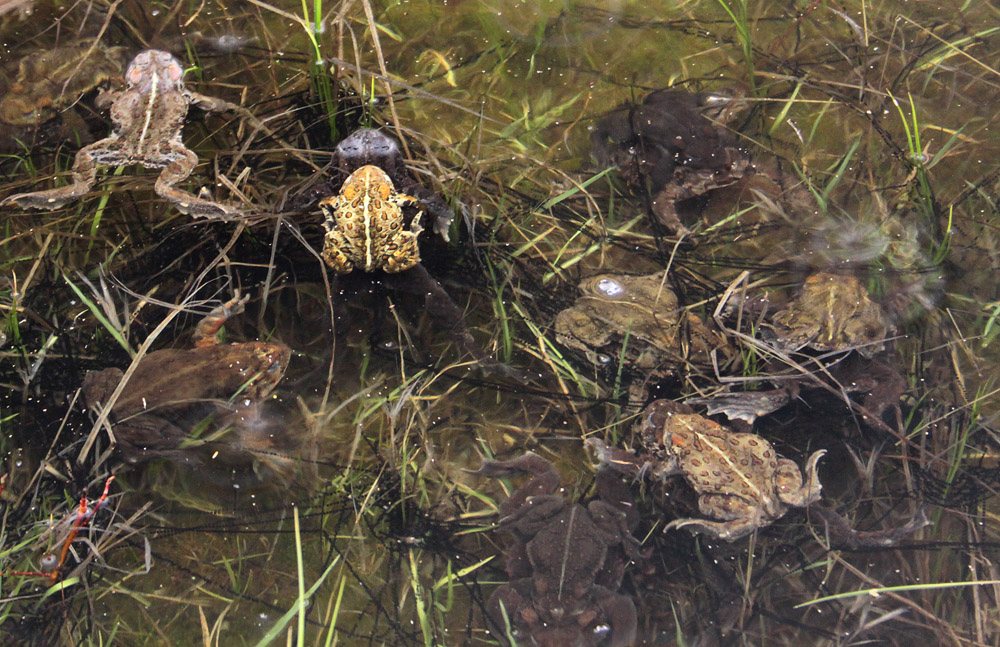
The first few lakes drew blanks but at Harrison Lake we found three species of frogs in various stages of breeding. The main attraction was two large groups of Western Toads in full breeding mode in the lake shallows. The smaller males sit on top of the females and fertilize the eggs as they are being released into the water. Each female lays hundreds of eggs in long dark strings which will hatch into tadpoles in 1-2 weeks and change into toadlets by late summer. Masses of these toadlets are often seen leaving lakes to begin their life on land.

Mating group of Western Toads. The smaller males clasp the larger females and fertilize the eggs as they are released by the female. Note the long black strands of eggs. Both males and females come in various shades and colours. Photo: Alan Burger

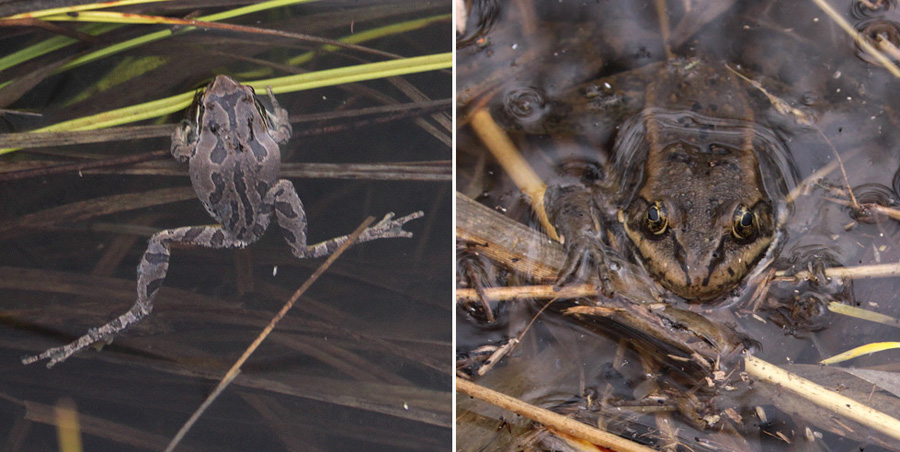
With some more diligent searching we also found a few Pacific Chorus Frogs (formerly known as the Pacific Tree Frog) and Columbia Spotted Frogs. The Chorus Frogs are responsible for the raucous “ribbet-ribbet” non-stop calling that fills the spring nights near any wetland. The Spotted Frogs are more secretive and often call underwater to attract mates. Spotted Frogs females often spawn in large communal egg masses which may end up larger than a basketball. We found a few smaller versions of these egg masses in our searches.

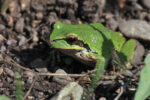
Pacific Chorus Frog (left) and Columbia Spotted Frog (right) at Harrison Lake in the Kane Valley. Photos: Alan Burger

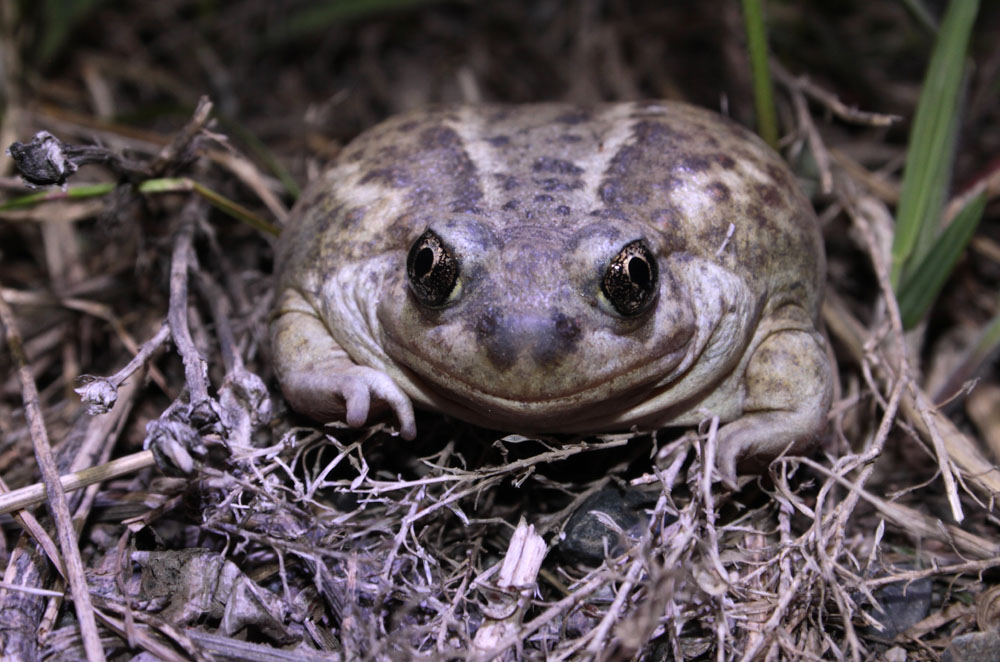
Over three nights during their May visit, the Biolinx team also tested out night-time call surveys in the grasslands around Merritt. The main goal was to document the locations and relative abundance of the elusive Great Basin Spadefoot – a frog specialized for the grasslands and sagebrush which gets its name from the hard protrusion on its foot which it uses to bury itself in the sandy soil. Spadefoots were indeed located on 14-16 May on several roads in the Quilchena and Douglas Lake grasslands. These are important site locations for this threatened species in British Columbia. Call surveys will be used to keep track of the seasonality and abundance at these locations. The Spadefoot’s harsh snoring calls are loud and distinctive.

Great Basin Spadefoot in the Douglas Lake area. Photo: Alan Burger

If anyone in the Merritt area is interested in joining the project activities or would like us to visit your pond you’re welcome to contact the project’s Volunteer Coordinator, Andrea Lawrence, at the project’s e-mail:  nicola.amphibians@gmail.com.

Click here for more photos of the May amphibian workshop.

Posted in Features, Past meetings, Projects, Uncategorized | Leave a comment

NNS Members’ Photos – April 2011

More photos from our members. Click on the thumbnails to see full-size images. Then click the links below the photo to move to the next enlarged photo. To return to the thumbnail page click the link above an enlarged photo.

Posted in Photos | Leave a comment